Hook
Your company just announced it is adopting something called EOS and you have no idea what that means for you. This tiny book was written specifically to answer that question — and it takes less than an hour to read.
What It’s About
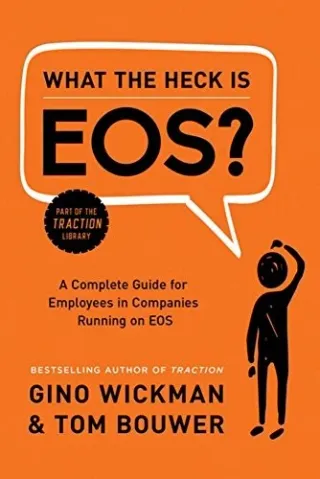
What the Heck Is EOS? is the employee-facing companion to Gino Wickman’s Traction. While Traction is written for leadership teams implementing the Entrepreneurial Operating System, this book is designed for everyone else in the organization — the people who show up one day to find new meeting structures, scorecards, and quarterly priorities in place, often without much context for why things are changing.
The book walks through the six key components of EOS (Vision, People, Data, Issues, Process, and Traction) from the perspective of a non-leadership employee. It explains what each component means in practice, why the leadership team chose to implement it, and most importantly, what it means for you in your day-to-day work. Wickman keeps the language plain and the explanations short, never assuming the reader has any business school background or prior knowledge of operating systems.
What makes this book valuable is not its depth but its purpose. Organizational change fails most often not because the system is flawed, but because the people affected by it do not understand or buy into it. This book exists to close that gap. It addresses the natural skepticism that employees feel when leadership introduces a new framework, and it does so without being condescending or preachy. It is the kind of book a leader can hand to their team and say, “Read this before our next meeting,” and actually expect them to finish it.
Key Takeaways
The book demystifies six components in accessible terms. Vision means everyone rows in the same direction. People means getting the right people in the right roles. Data means decisions are driven by numbers, not gut feelings. Issues means problems get raised and solved, not buried. Process means core operations are documented and followed consistently. Traction means the company sets short-term priorities and actually executes on them.
For employees, the most important message is that EOS is designed to create clarity, not bureaucracy. The tools — Rocks, Scorecards, Level 10 Meetings — are meant to make work more predictable and less chaotic. The book encourages employees to embrace the system rather than resist it, but it does so by explaining the tangible benefits: clearer expectations, fewer fire drills, better communication, and a stronger sense of purpose. It is a small investment of time that can prevent a lot of confusion and friction during a significant organizational shift.
The Verdict
A purpose-built onboarding tool for EOS adoption — not a book you read for pleasure, but one that earns its place by solving a very specific and common problem in growing companies.