Hook
What if success has less to do with individual talent and more to do with timing, culture, and sheer accumulated hours? Malcolm Gladwell dismantles the myth of the self-made genius and reveals the hidden architecture behind extraordinary achievement.
What It’s About
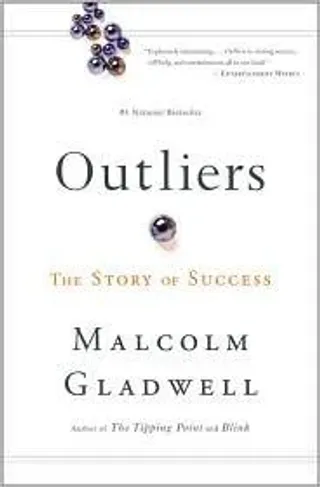
Outliers is Gladwell’s ambitious attempt to rewrite the story of success. Rather than focusing on the traits that make high achievers special — intelligence, ambition, hustle — he zooms out to examine the ecosystems that produce them. The book opens with a fascinating puzzle: why are so many elite Canadian hockey players born in the first three months of the year? The answer has nothing to do with astrology and everything to do with arbitrary age cutoff dates, which give older kids in a cohort a developmental advantage that compounds year after year.
From there, Gladwell moves through a series of case studies that span continents and centuries. He explores the role of the “10,000-hour rule” in producing expertise, arguing that the Beatles and Bill Gates didn’t simply have more talent than their peers — they had unusual access to practice time at precisely the right moment. He examines how cultural legacies shape behavior, from the honor culture of Appalachian feuds to the communication patterns that contributed to plane crashes in Korean aviation. Each chapter peels back another layer of the success myth.
The book’s second half gets even more provocative. Gladwell traces how Jewish immigrants in New York built a legal empire not despite their outsider status, but because of it. He examines why Asian students excel at mathematics, linking it to rice-paddy agriculture and linguistic differences in number systems. The cumulative effect is a portrait of achievement that feels both humbling and liberating — success is never purely earned, but it is also never purely accidental.
Key Takeaways
The central insight of Outliers is that context matters enormously. Gladwell doesn’t argue that individual effort is irrelevant, but he makes a compelling case that opportunity, timing, and cultural background create the conditions in which effort can pay off. The 10,000-hour rule has become the book’s most famous idea, though it is worth noting that researchers have since debated its universality. What remains powerful is the broader point: mastery requires sustained, deliberate practice, and not everyone gets equal access to it.
Gladwell also makes a strong case for rethinking how we design institutions. If birth-month cutoffs create unfair advantages in youth sports, why not restructure the system? If cultural communication norms contribute to catastrophic errors, why not train people to override them? The book is ultimately a call to pay attention to systems rather than just individuals — to ask not just “what makes someone successful?” but “what kind of world makes success possible?”
The Verdict
Outliers remains one of the most thought-provoking popular non-fiction books of its era — a book that genuinely changes how you see achievement, even if you end up disagreeing with some of its claims.